Safe pair of hands
What We Do For Customers
We occupy a unique position in the aerospace industry. Rather than designing new products, we become the OEM for critical parts originally developed by others, giving them the dedicated focus and long-term support they need.
For airframers, airlines and military operators, that means continued access to the parts you rely on. Our mission is to keep these products available, supported and performing for as long as your aircraft need them.

Solving Complex Challenges
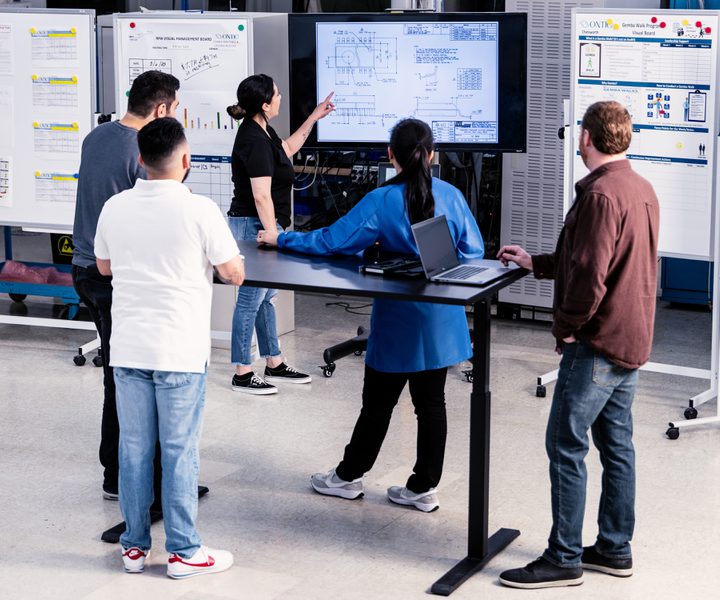
From parts for the new A320s coming off the production line to those supporting in-service Hawks for the Royal Air Force, Ontic plays a critical role in the aerospace supply chain. We work with our licensing partners to take on essential product lines that customers continue to rely on, but which have become non-core to their original manufacturers.
Because of our high mix, low volume business model, these product lines become very much core to us. Our expertise in being able to resolve supply chain challenges, overcome obsolescence risks, and our desire to invest in the future of these product lines puts us in the perfect position to support these products long-term.
Building Resilient Supply Chains
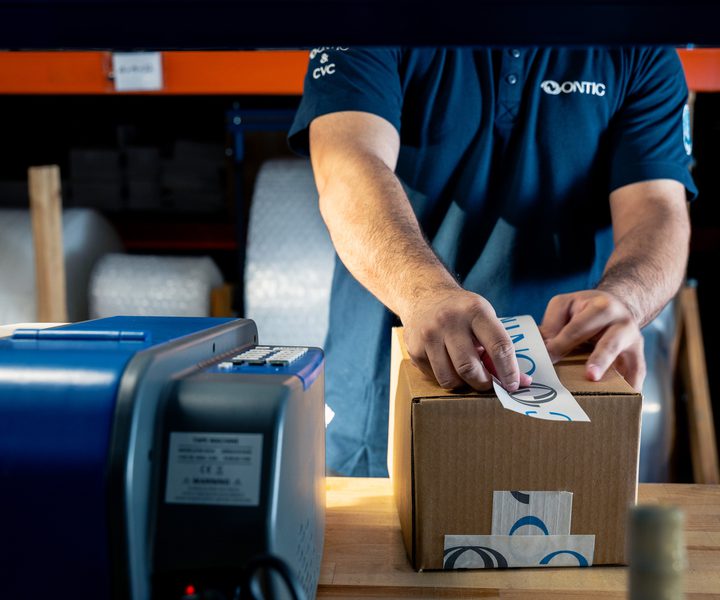
When a product line transitions to Ontic, we don't simply inherit its supply chain. We assess it, strengthen it and build the resilience needed to support customers for the long term.
Working closely with our licensing partners, we build a deep understanding of each product and its supply chain, identifying vulnerabilities, supplier risks and potential obsolescence early.
And our work doesn't stop at transition. We continually strengthen the supply chain, qualifying alternative sources and investing in engineering or manufacturing capability where needed.
The result is greater continuity of supply and confidence that the critical parts our customers rely on will be there when they need them.
Product Transformation Where Needed
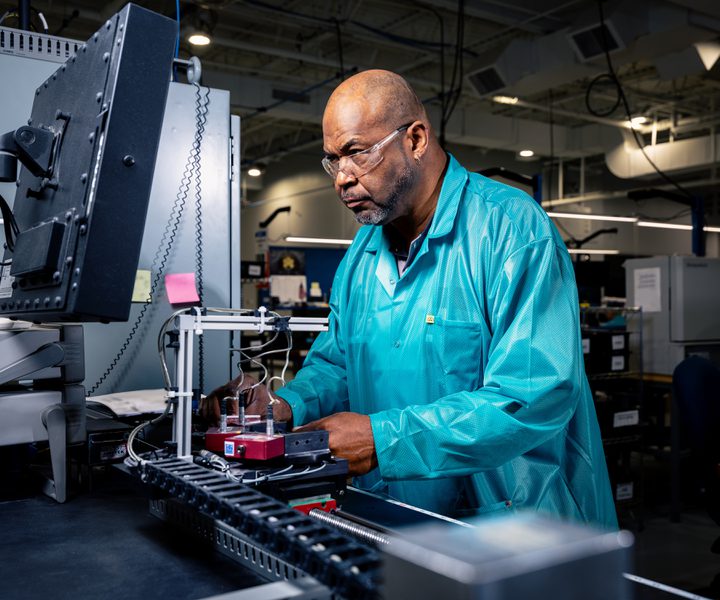
When we onboard a new product line, we assess everything from the manufacturing process to test equipment and supply chain to evaluate what improvements can be made for customers. And it doesn't stop once we've onboarded; through our continuous improvement processes, we are constantly assessing whether processes can be refined or outputs enhanced by tweaking the way we do things. This can cover a variety of improvement initiatives:
- Obsolescence engineering
- Operational improvement plans
- Supply chain renewal
- Reverse engineering where necessary
- Test equipment modernization


