Case Study
Solving Vacuum Blower Failures at the Source
The Challenge
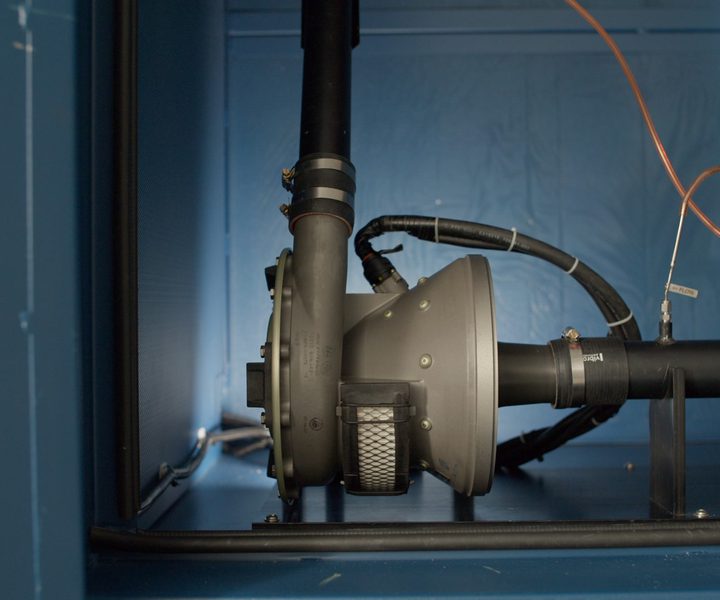
During a workshop inspection of vacuum pump 645172-2, a customer identified multiple incidents where the stator and housing had shifted relative to each other. This movement caused internal cables to be pulled taut and subsequently worn by rotating rotor components, creating a potential reliability and safety concern.
Given that the Component Maintenance Manual (CMM) specifies installation of the stator using a heated shell and interference fit, the customer raised concerns that elevated operating temperatures or ambient temperature changes could reduce fit clearance over time. This reduction could allow relative movement of the stator components, leading to cable damage and repeat findings during maintenance inspections.
///
Re-Instating A Proven Configuration
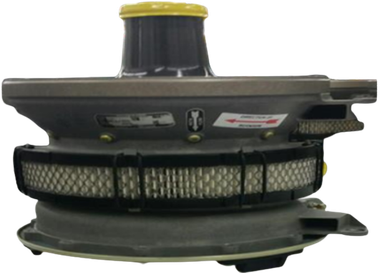
Ontic reviewed the findings and confirmed that - based on industry experience - thermal growth and elevated operating temperatures can reduce the effectiveness of interference fits over time, potentially allowing stator-to-housing movement. This condition can result in internal cable routing becoming taut and vulnerable to abrasion from rotating components.
Ontic further identified that the 645172-2 configuration was a short-lived OEM design, introduced as a replacement for 606802-2 around early 2011 and subsequently withdrawn due to field issues.
Ontic does not build or repair the 645172-2 configuration but could instead support operators by transitioning affected units back to the 606802-2 configuration, which has a proven in-service reliability record.
As an immediate interim safety measure, Ontic recommended removal and quarantine of any unit showing evidence of stator looseness or displacement, with no on-wing rework or re-torque actions. Ontic also provided a clear path to permanent resolution through unit exchange, supported by OEM documentation, technical data review, and direct coordination with Ontic’s product support engineering team.
Key Benefits
- Enhanced operational safety through clear interim guidance to remove and quarantine affected units
- Reduced maintenance risk by avoiding unsupported repairs on a known problematic configuration
- Improved long-term reliability by transitioning to a proven, supported vacuum pump configuration
- Clear path to resolution via exchange, OEM documentation, and engineering support
- Minimised repeat findings by addressing the root design issue rather than treating symptoms
- Strong customer support through collaborative technical review and rapid coordination