Case Study
Weather Radar: Lowering Costs Through Preventative Maintenance
The Challenge
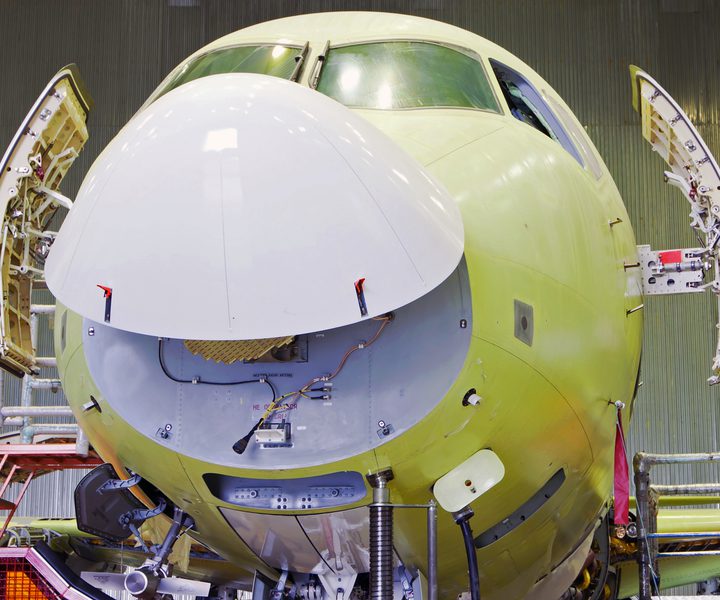
A customer was experiencing repeated shop visits and reliability issues associated with the RDR-4A/B weather radar Line Replaceable Unit (LRU). Failure data showed a high volume of returns, driving unnecessary maintenance time, increased repair costs, and aircraft downtime.
A Pareto analysis of customer-provided failure data revealed that a small subset of components was responsible for the majority of returns, consistent with the 80/20 principle. Notably, six components accounted for approximately 80% of total failures. One of these categories was classified as “No Fault Found” (NFF), highlighting additional complexity caused by non-technical or intermittent issues that obscured true root causes and inflated maintenance statistics.
///
Switching to Proactive Replacement
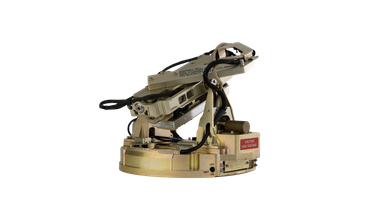
Ontic partnered with the customer to develop a data-driven, preventative maintenance strategy focused on improving reliability and reducing repeat failures. Using Pareto-based failure analysis, Ontic identified the highest-impact components contributing to weather radar LRU removals.
Rather than relying solely on reactive repairs, Ontic recommended a proactive replacement approach: whenever the RDR-4A/B unit was returned to the shop, the top five high-failure components (excluding the NFF category) would be replaced as a standard action.
This strategy addressed known weak points before they could trigger future failures, reduced repetitive shop visits, and helped isolate true NFF cases by minimizing underlying technical faults. As a result, the customer benefited from improved component reliability, reduced repair hours, and a more predictable maintenance outcome for critical weather radar systems.
Key Benefits
- Improved system reliability by proactively addressing the components most likely to fail
- Reduced repeat shop visits through elimination of known weak points during each repair event
- Lower maintenance burden by decreasing recurring failures and overall repair hours
- Increased aircraft availability by minimizing unplanned removals and downtime
- Clearer fault isolation by reducing technical failures and helping distinguish true “No Fault Found” cases
- Data-driven maintenance strategy aligned with real-world failure trends rather than reactive repairs